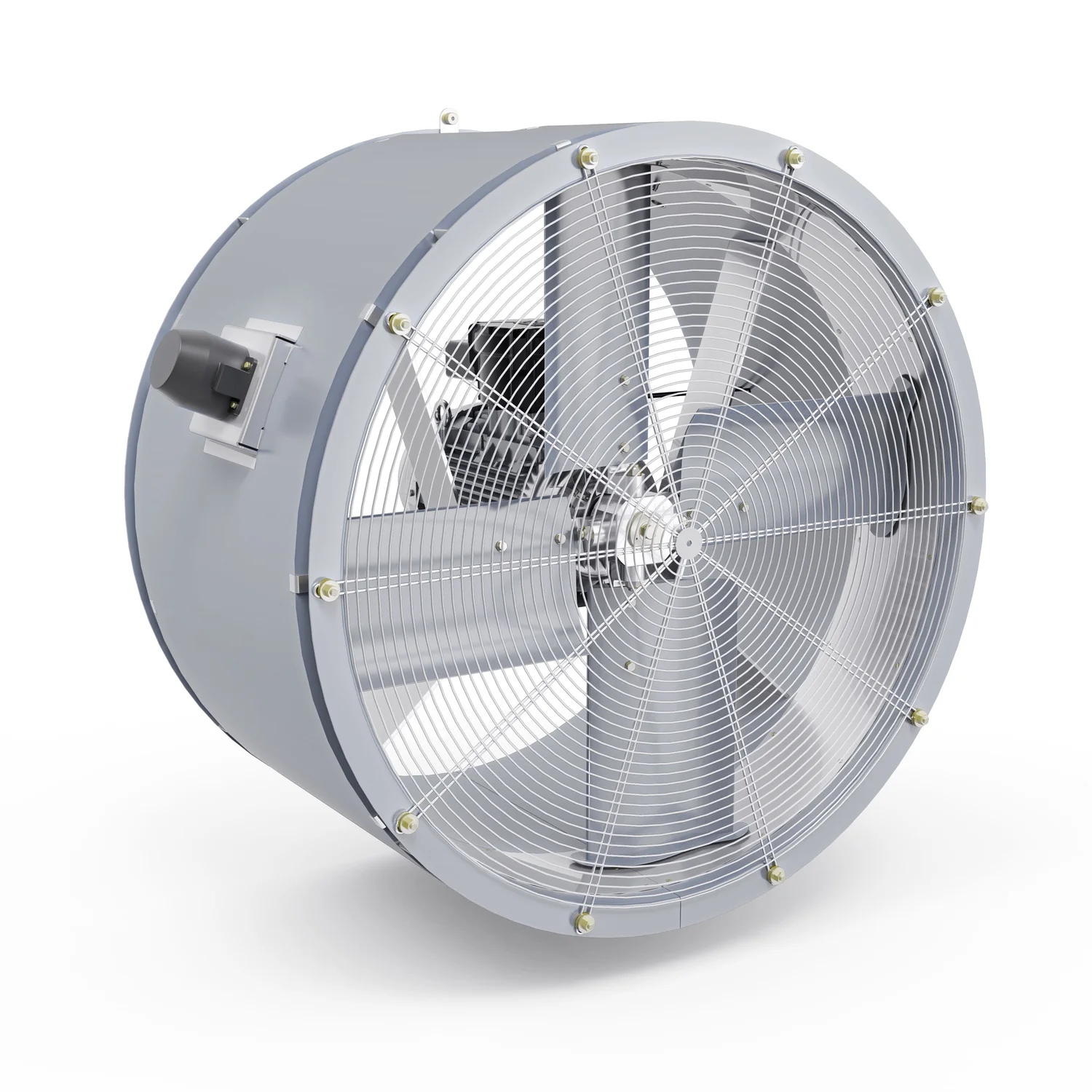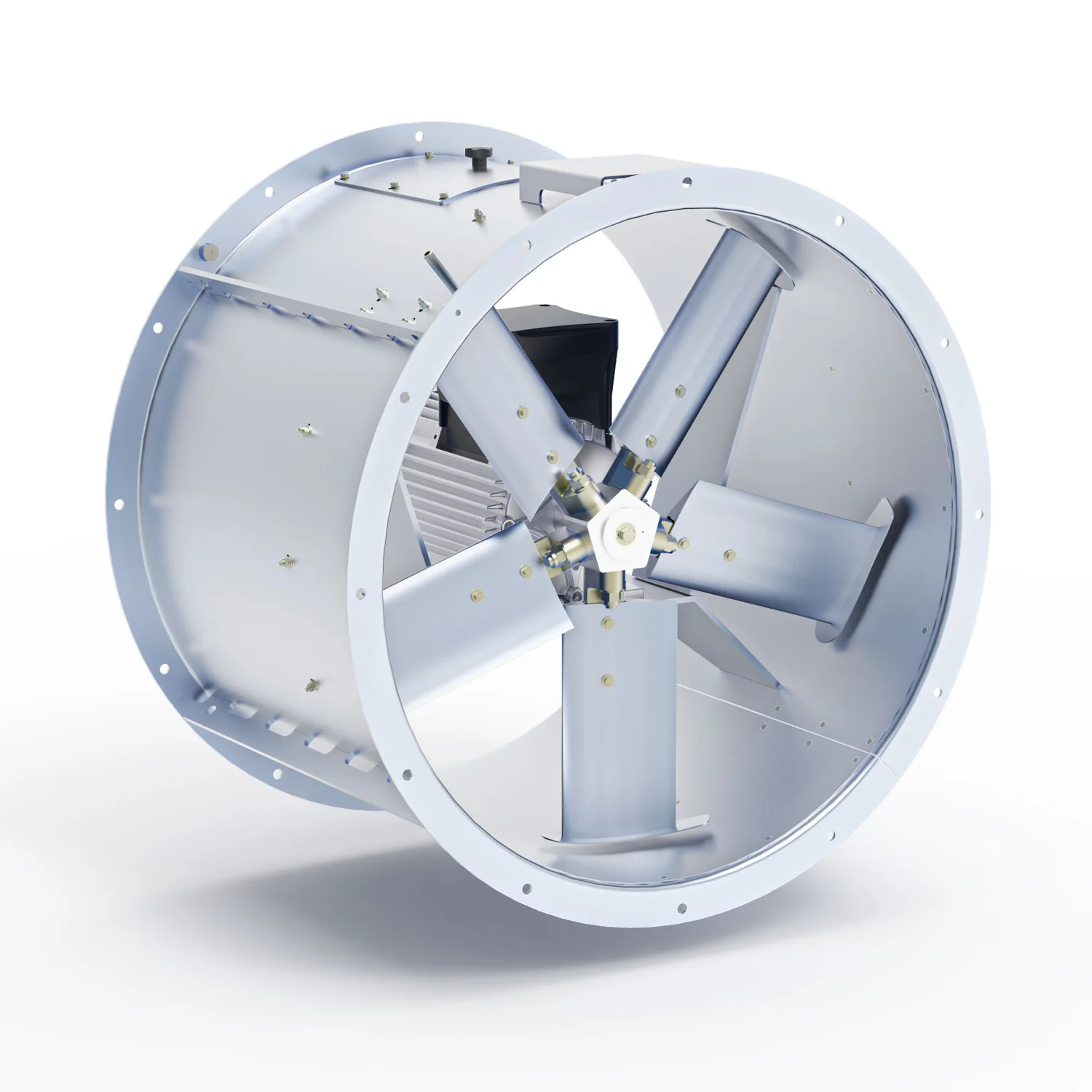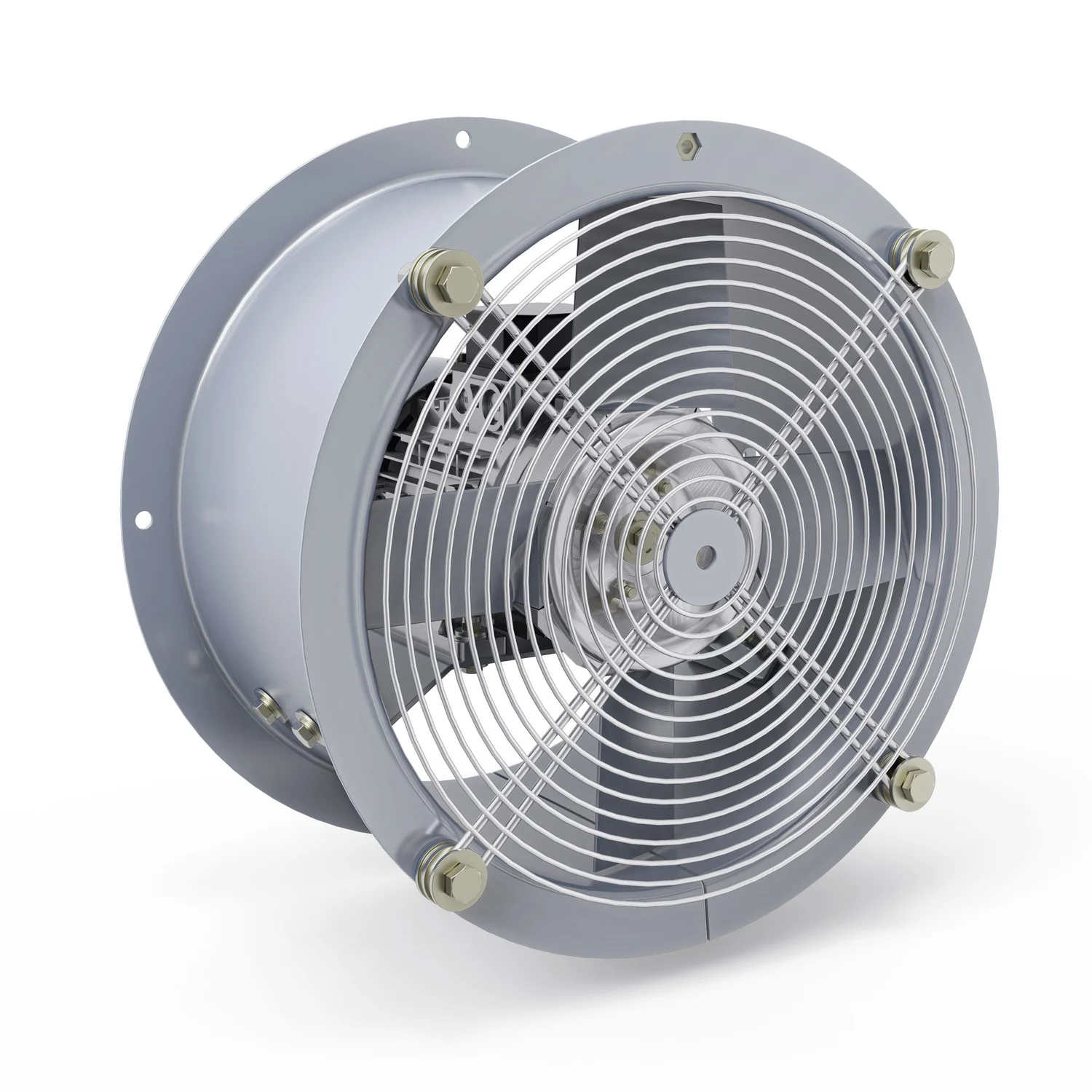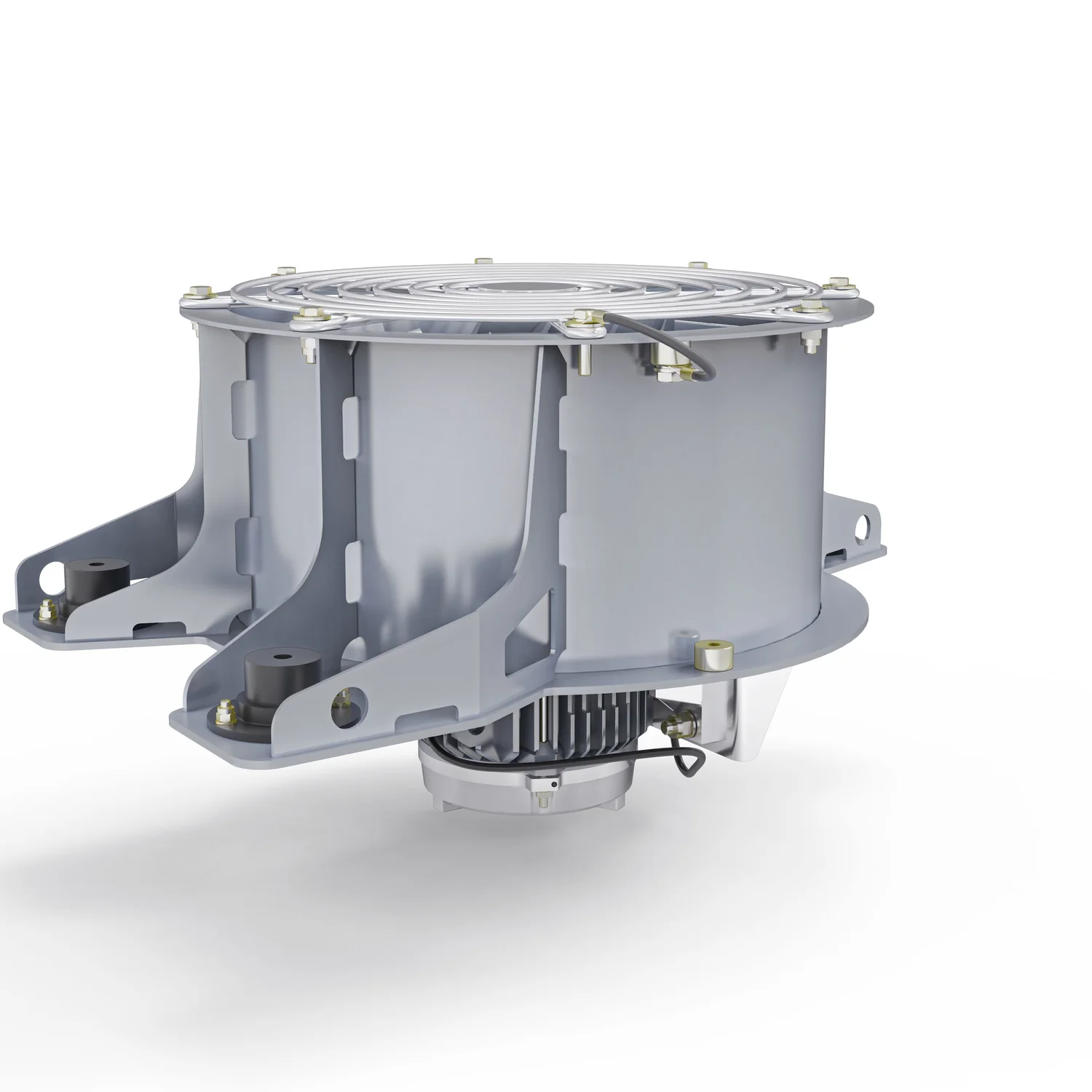


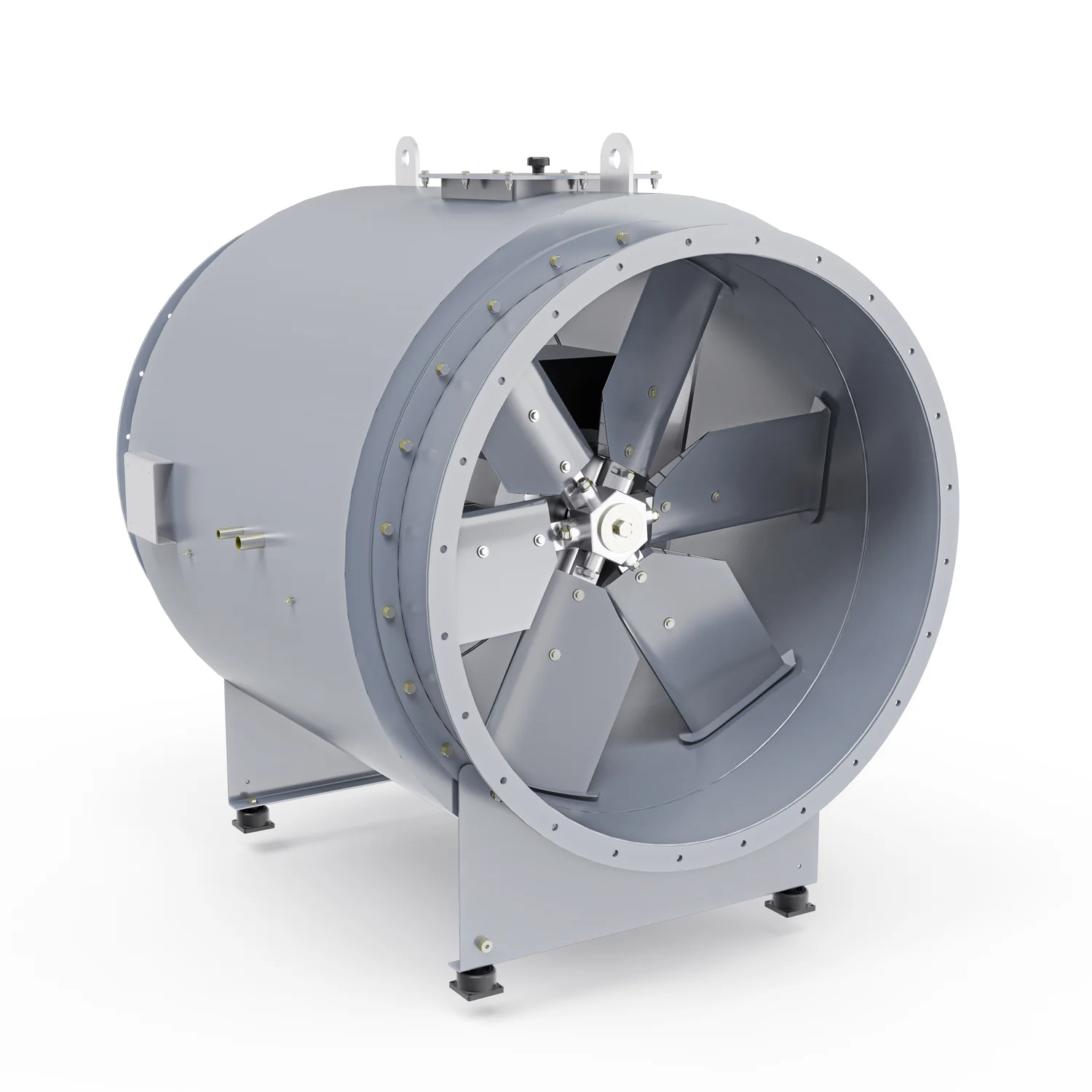
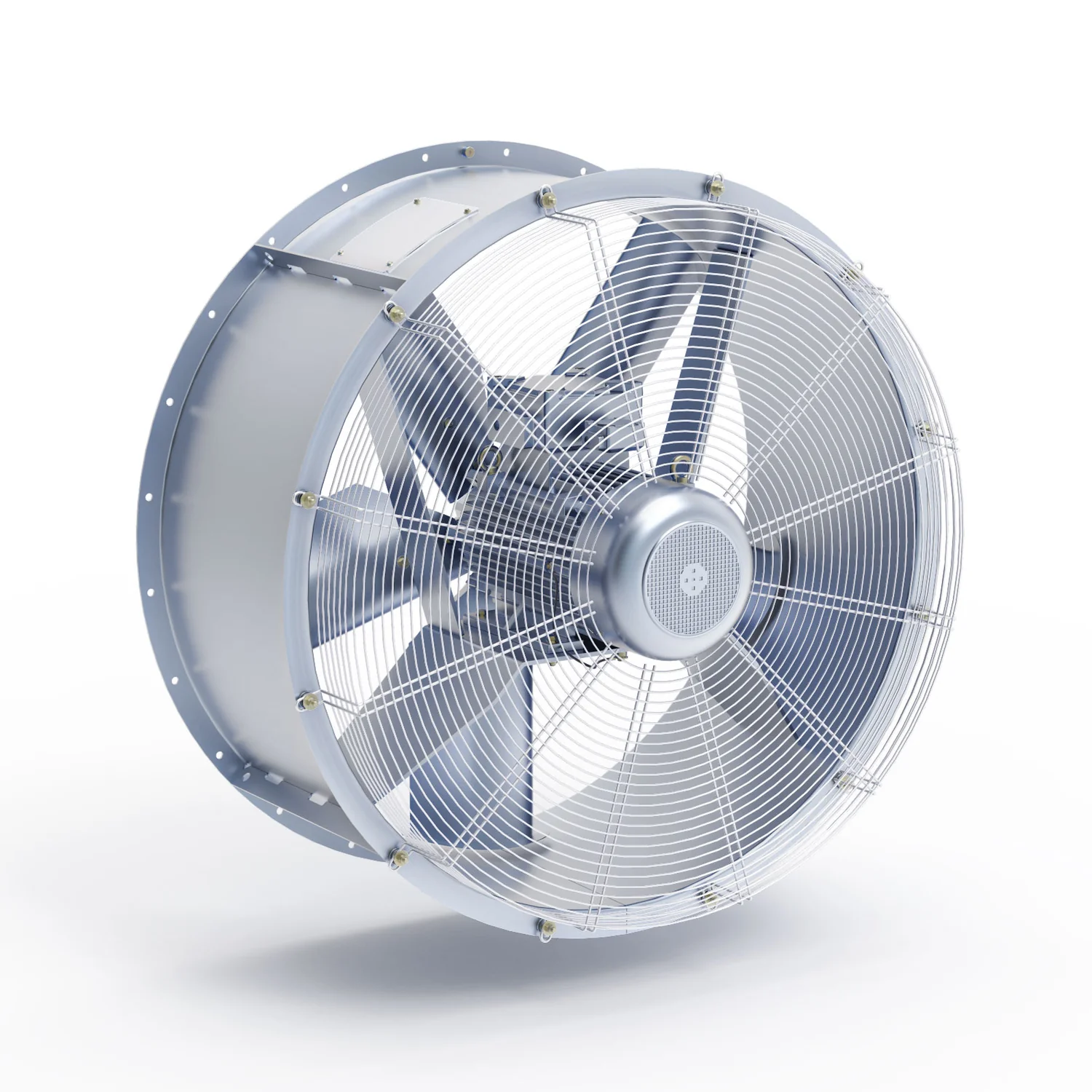
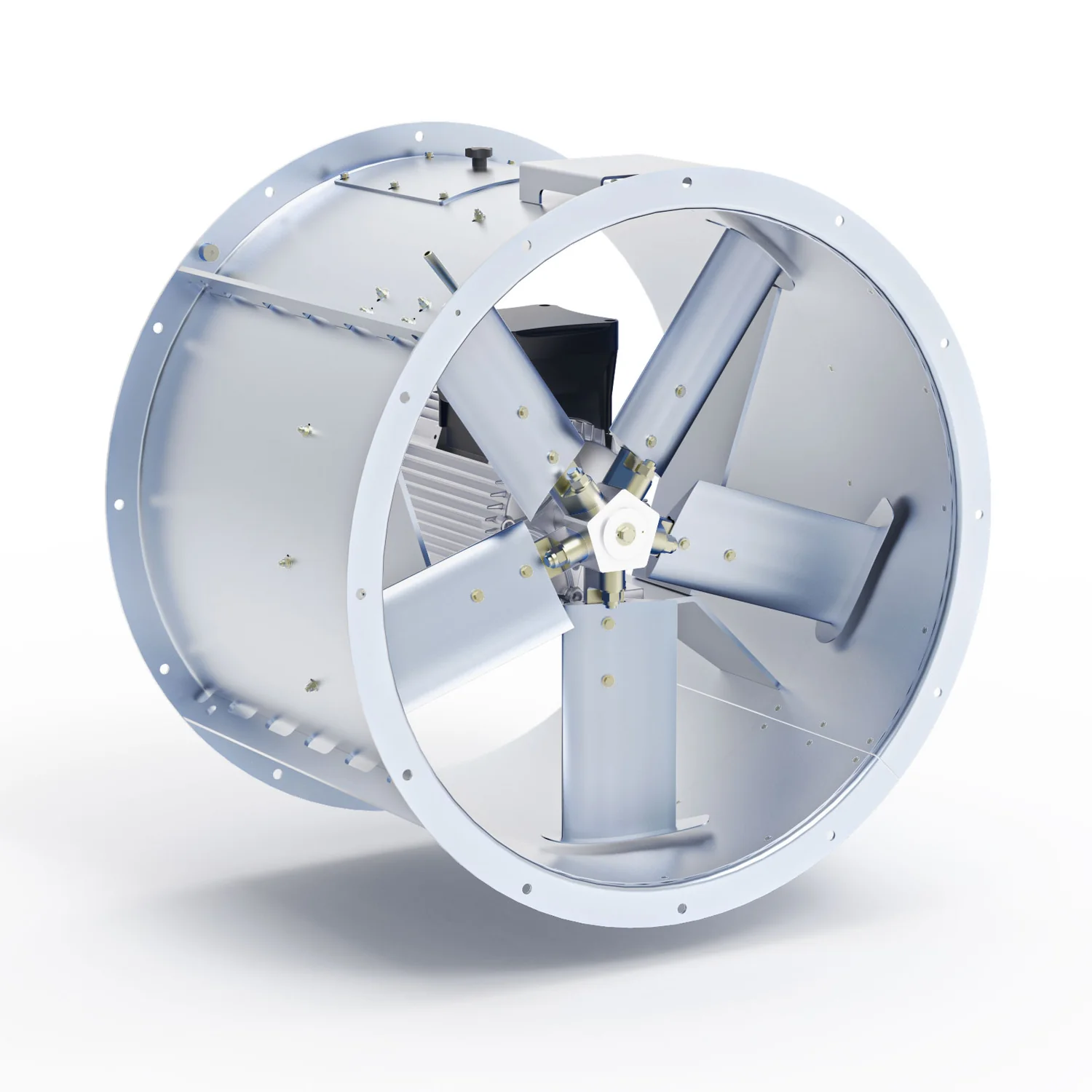
Serie AF
Comet Fans AF Fan Series for Nuclear Applications
In nuclear power plants, air management and temperature control are fundamental aspects for ensuring safety and operational efficiency. The AF series is used in various contexts, including:
- Ventilation systems for controlled areas: essential for maintaining safe working conditions and adequate air quality, rapidly removing gases and radioactive substances.
- Ventilation of engine rooms and technical spaces: essential for ensuring proper air exchange and preventing heat build-up that could compromise the operation of electrical equipment and control systems.
- Cooling of plant and electrical panels: useful for dissipating heat generated by control and safety systems, ensuring optimal operating temperatures are maintained.
- Cooling of nuclear fuel management systems: nuclear fuel storage and handling systems require adequate cooling to ensure efficiency and operational reliability, even under critical operating conditions.
Thanks to their robust construction and corrosion- and radiation-resistant materials, these fans are also suitable for nuclear environments subject to ionising radiation and extreme operating conditions.
Impellers: High-efficiency, low-noise aerofoil-profile blades, with pitch adjustable while stationary. These characteristics are essential for ensuring optimal performance under stable operating conditions.
Available Materials:
- Carbon steel
- Stainless steel AISI 304 / AISI 316, which are commonly used in the nuclear sector for their corrosion resistance.
- Aluminium alloys
- Glass fibre-reinforced polyester (FRP)
- Polypropylene (PP)
- Polyamide (PA)
The materials comply with nuclear safety requirements, as specified in IAEA and ANSI/ANS standards.
Balancing: Compliant with ISO 14694 and ISO 21940 standards, ensuring minimal vibration during operation. This is crucial for preventing structural damage and ensuring operational safety.
Construction and Surface Treatments:
Fabrications: Manual and robotic welding carried out in accordance with specific nuclear regulations, such as those established by ASME for nuclear applications.
Painting: Powder or liquid coating cycles compliant with ISO 9227 for corrosion resistance in aggressive environments, which may be similar to nuclear environments but with additional safety requirements.
Hot-Dip Galvanising: In accordance with ISO 1461, for long-lasting protection against corrosion. This treatment is useful for improving material resistance under extreme conditions.
Anodising: Applicable to aluminium components, in compliance with DIN 8580. This treatment is important for improving corrosion resistance and component durability.
Pickling and Passivation: For stainless steel components, improving corrosion resistance. These treatments are essential for maintaining material integrity in aggressive environments.
Motors: three-phase AC IP66, class F or H, 50/60Hz, from 2 to 16 poles. However, for nuclear applications, additional requirements for safety and electromagnetic compatibility may be necessary, as specified in IAEA and ANS standards.
Certifications:
Our solutions are designed to meet the following nuclear certifications and standards:
- Compliance with standards: IEC 60034-5 and IAEA and ANS standards for nuclear safety.
- Certification issued by nuclear classification bodies: ASME for nuclear components, such as ASME Code Section III, and ASME NQA-1 for quality assurance.
- ANSI/ANS standards: ANSI/ANS for nuclear critical safety and power plant design.
- Ventilation systems for controlled areas
- Ventilation of engine rooms and technical spaces
- Cooling of plant and electrical panels
- Cooling of nuclear fuel management systems
Diameters: from 400mm to 2155mm
Power: from 0.55kW to 110kW
Pressure: up to 1500Pa
Airflow: up to 350.000m3/h